
 03/03/2026
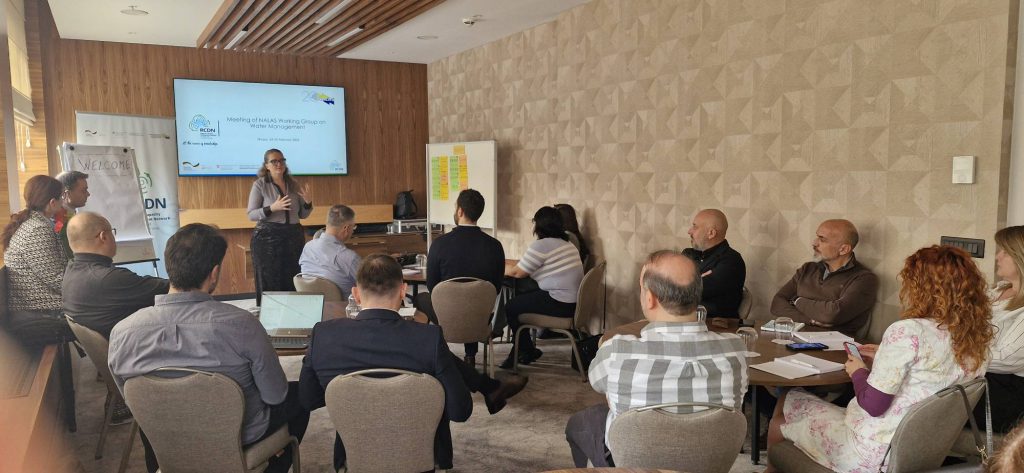
 NALAS Working Group on Water Management met on 24–25 February 2026 in Skopje, within the Regional Capacity Development Network on Water and Sanitation Services (RCDN), bringing together members of the Working Group, representatives of Local Government Associations’ water and sanitation services committees and the International Association of Waterworks in the Danube Catchment Area (IAWD).
The meeting resulted with a new Action Plan for 2026–2027, enhanced capacities of the Working Group and up-to-date insights into trends and developments in the water sector across South East Europe, with a particular focus on digital transformation and innovation.
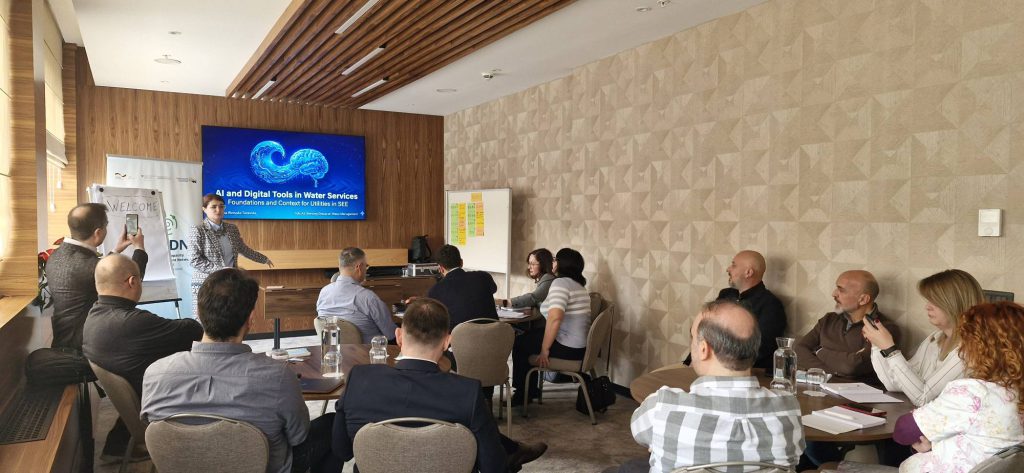
The first day was dedicated to an intensive training on Artificial Intelligence (AI) and digital tools in water service provision. The sessions guided participants through both foundational concepts and practical applications.
Discussions begin with an overview of AI in the water and sanitation services (WSS) context, including maturity levels of public utilities and municipalities, and realistic use cases across the region. Building on this, participants explored concrete examples of AI-powered smart water management solutions in the Balkans, alongside key challenges related to implementation.
A strong practical focus was placed on how digital and AI tools can support utilities in areas such as non-revenue water reduction, predictive maintenance, smart metering, water quality monitoring, asset management, and customer services. The training also addresses what types of data are required, as well as the benefits and limitations of these technologies for public utilities.
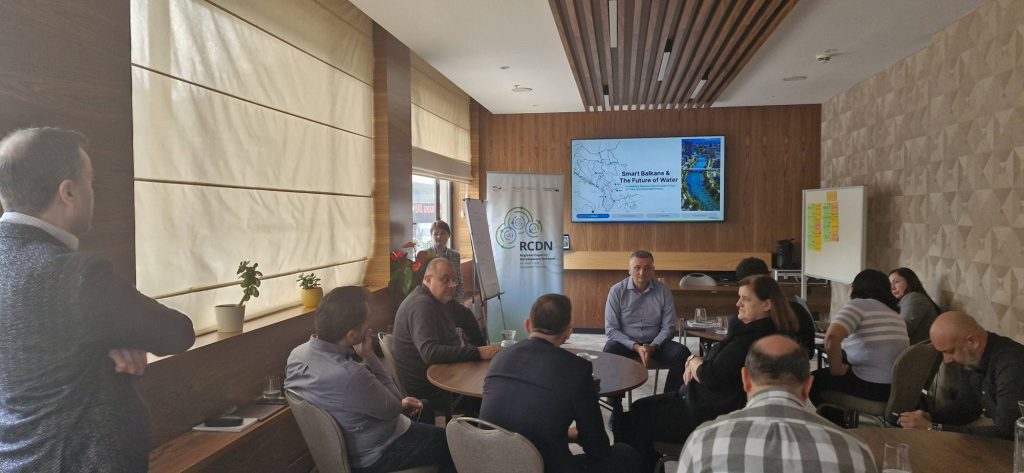
During the training, participants examined examples from the EU, South East Europe, and the Western Balkans, while also discussing regulatory frameworks such as the EU AI Act and GDPR. Particular emphasis was placed on ethical considerations, operational risks, and the readiness of utilities in terms of institutional capacity, financing, human resources, and technical infrastructure.
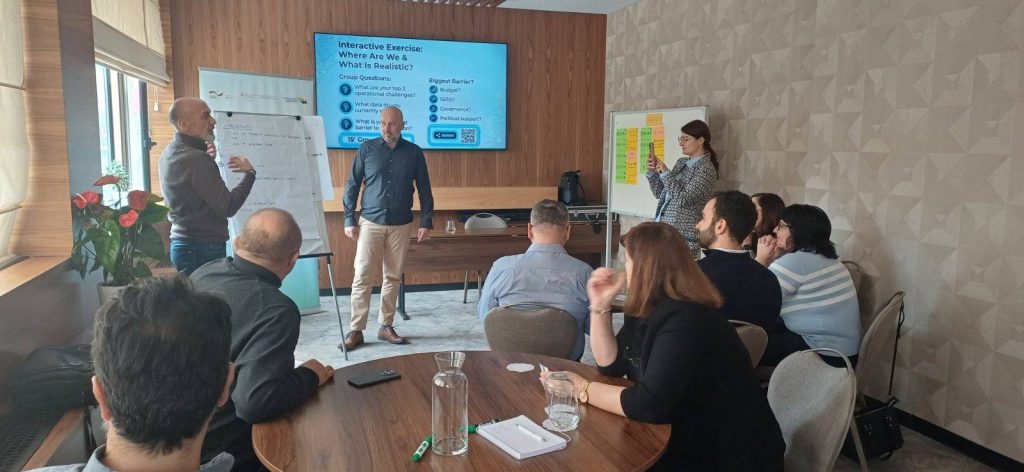
The second day focused on the annual meeting of the Working Group, building on the knowledge gained during the training.
The program opened with a comprehensive review of the 2024–2025 Action Plan and acknowledgment of the great successes, related to the regional research on collaboration and communication in the provision of water and sanitation services, the policy position and guide, the new project Watervill and more. The Working Group members shared updates on developments in the water and sanitation sector at the national level, providing a regional overview of progress and challenges.
Participants reviewed the Best Practices document developed by the Working Group, highlighting successful approaches in water services across the SEE region.
A central component of the meeting was the collaborative development of the new Action Plan for 2026–2027. Through guided discussions, participants identified key recommendations, defined priority actions, and agreed on the main activities that will shape the Working Group’s future work.
By combining strategic discussions with hands-on learning, this two-day meeting strengthened the role of NALAS as a platform for knowledge exchange and innovation. The focus on AI and digital transformation reflected the growing importance of data-driven approaches in improving efficiency, sustainability, and resilience in water services.
Equipped with enhanced knowledge and practical insights, participants are now better positioned to support local governments and public utilities in navigating the evolving challenges of the sector and delivering improved services to citizens across South East Europe.


