

 12/10/2026
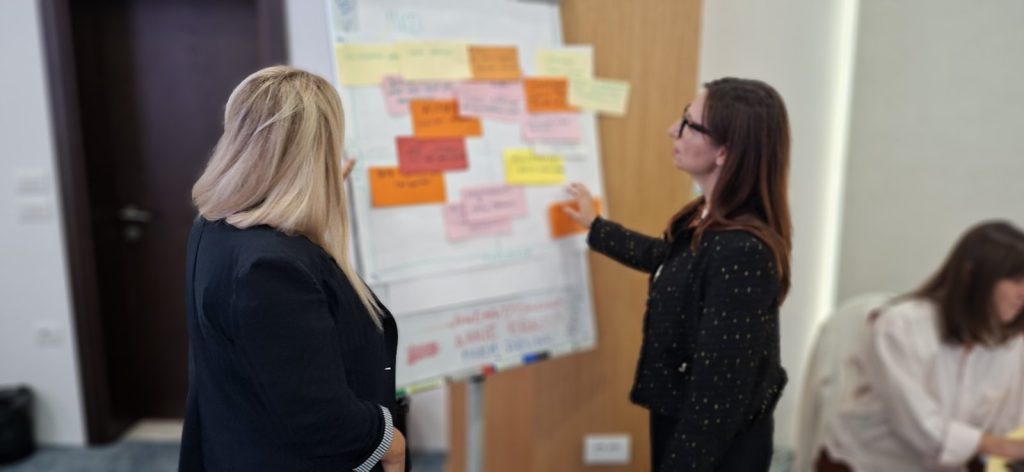
 Developing a strong EU project proposal starts with understanding local needs and defining achievable results. A NALAS workshop supported municipal and local government associations representatives in putting these principles into practice, combining project development tools with joint work on a proposal for more inclusive communities.
Held from 6 to 9 October 2026 in Bar, Montenegro, the workshop focused on strengthening the capacities of LGA and municipal representatives from the South-East Europe to prepare coherent, results-oriented proposals for European Union funding. It connected practical learning with a concrete task: developing a project proposal that builds on the experience of NALAS and its partner LGAs and municipalities to address social inclusion issues.
The proposed project, being developed for the Euro-MED call for proposals, focuses on transforming underused urban spaces into productive, inclusive and climate-resilient green areas through community participation. Particular attention is given to vulnerable people and their inclusion in neighbourhood life.
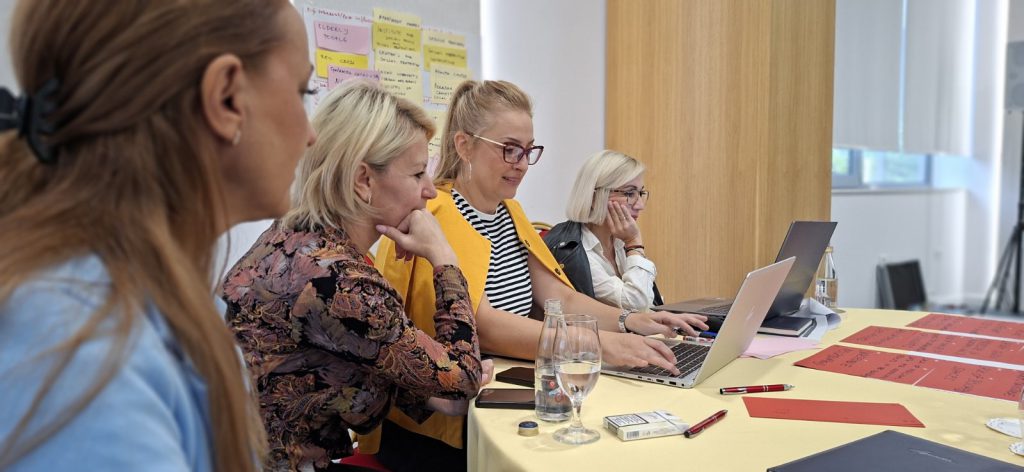
Beyond this proposal, the workshop’s longer-term value lies in strengthening LGAs and their members’ capacities to pursue concrete funding opportunities in the thematic area of social inclusion and in developing projects that respond to community needs.
The workshop was organised within “Bridges of Inclusion”, implemented by NALAS in cooperation with its member local government associations as part of the regional programme “Advancing Socioeconomic Participation in Municipalities in the Western Balkans” (SPARK). SPARK is implemented by Deutsche Gesellschaft für Internationale Zusammenarbeit (GIZ) GmbH on behalf of the German Federal Ministry for Economic Cooperation and Development (BMZ).


